Being in the healthcare industry, we know how crucial it is to have accurate and timely availability of patient information. US healthcare mechanisms involve a large amount of data sharing with different stakeholders. The term interoperability refers to the capability of easy and secure portability of healthcare data between different systems, devices, and applications. Interoperability in healthcare billing and coding improves accuracy, efficiency, and compliance with regulations. It allows real-time detection and correction of inaccuracies, streamlines processes, reduces errors, and ensures compliance with regulations like CMS Interoperability Rule and HIPAA. Better interoperability not only reduces the chances of errors in acquiring payment against patient bills but also facilitates better patient care by providing a holistic view of patient medical history, leading to better diagnosis and treatment. It also enhances patient experience by providing transparent and accurate billing, enhancing their overall experience. Interoperability not only enhances healthcare operations but also positively impacts providers and physicians' financial health.
THE LEVELS OF INTEROPERABILITY
Interoperability levels ranges from basic viewable data to fully computable data that systems can interpret and act on. Interoperability in healthcare systems, can be categorized into several levels:
- Foundational Interoperability: This is the basic level where one system can send and receive data to another system.
- Structural Interoperability: At this level, the structure or format of the data exchange is defined, ensuring that data can be interpreted at the data field level. This allows for the preservation of the data’s meaning as it moves between systems.
- Semantic Interoperability: This is the highest level, where systems can exchange data with shared understanding. The data exchanged can be interpreted and used meaningfully by the receiving system, enabling automated processes and decision-making. These levels ensure that systems can progressively work together more effectively, from simply sharing data to fully understanding and utilizing it.
HOW INTEOPERABILITY AFFECTS YOUR REVENUE?
Let’s examine closely how interoperability significantly impacts healthcare providers and physicians’ revenue in several ways :
- Optimal Reimbursement: Seamless data exchange ensures accurate and timely billing, leading to optimal reimbursement for services provided. This reduces the likelihood of claim denials and delays in payment.
- Reduced Administrative Costs: By streamlining the revenue cycle management process, interoperability reduces administrative burdens. This includes minimizing the time and resources spent on manual data entry and corrections.
- Fewer Billing Errors: Accurate data exchange between systems reduces billing errors, ensuring that services are billed correctly the first time. This leads to fewer rejectedclaims and less rework.
- Improved Cash Flow: Faster and more accurate billing processes improve cash flow for healthcare providers. This ensures that they receive payments more quickly, enhancing financial stability.
- Enhanced Patient Satisfaction: Patients benefit from clearer and more accurate billing,leading to fewer disputes and a better overall experience. Satisfied patients are more likely to return and recommend the provider, indirectly boosting revenue.
- Compliance with Regulations: Interoperability helps healthcare providers comply with regulatory requirements, avoiding potential fines and penalties associated with non-compliance.
HOW TO ACHIEVE BETTER INTEROPERABILITY IN HEALTHCARE SYSTEM?
Interoperability in IT systems, particularly in healthcare, is a complex issue due to technological diversity, data privacy and security risks, lack of standardization, complexity and cost, legal and ethical issues, and stakeholder collaboration. Addressing interoperability challenges involves a combination of technological advancements, organizational initiatives, and policy-based solutions. Here are some effective strategies:
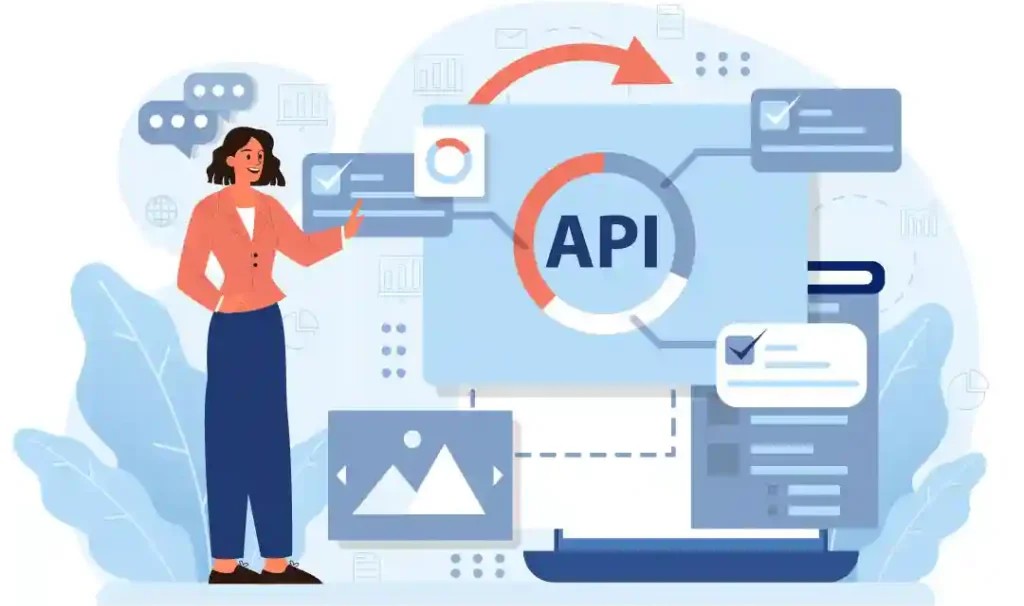
- Application Programming Interfaces (APIs): An API, or Application Programming Interface, is a set of rules and protocols that allows different software applications to communicate with each other. API lists a set of operations that enable the integration of various services and functionalities. APIs provide a standardized framework for communication between different software applications, facilitating seamless data exchange between disparate systems. APIs facilitate the integration of Electronic Health Records (EHR) and Electronic Medical Records (EMR), allowing healthcare providers to access and share patient information efficiently. Additionally, APIs support the adoption of standards like FHIR (Fast Healthcare Interoperability Resources), which further streamlines data sharing and reduces barriers to accessing comprehensive health information. By leveraging APIs, healthcare organizations can create a more connected and efficient ecosystem, ultimately leading to better patient care and operational efficiency.
- Middleware: Middleware is a type of software that acts as a bridge between different applications and systems, enabling them to communicate and share data effectively. It provides common services and capabilities to applications, such as data management, authentication, and communication. Middleware acts as the translator, ensures smooth interaction, allowing diverse programs to interact each other seamlessly even if they are built on different technologies. By managing data exchange, application services, integration, and simplifying complex processes, middleware plays an essential role in creating efficient, interconnected systems across different platforms.
- Data Standards: Establishing data standards significantly increases interoperability by ensuring that different storage devices and systems can communicate and work together seamlessly. These standards provide a common framework for data transfer, which helps in aligning various devices and technologies. Establishing and adhering to common data standards ensures that data is formatted and interpreted consistently across different systems.
- Enterprise Service Bus (ESB): An Enterprise Service Bus (ESB) is a software architecture pattern that facilitates communication between different applications in a service-oriented architecture (SOA). ESBs facilitate the integration of various applications by providing a communication layer that standardizes data exchange. It facilitates seamless communication between disparate systems by acting as a centralized platform and performing operations such as data transformation, protocol conversion, message routing, and connectivity management. This ensures that different applications can work together harmoniously, regardless of their underlying technologies or protocols, leading to a more cohesive and efficient environment.
- Data Transformation Tools: These tools converts data from one format or structure to another, making it more suitable for analysis, storage, or integration; ensuring compatibility between different systems. By standardizing data formats and structures, data transformation tools significantly enhance interoperability. They enable seamless data exchange between different systems and applications, ensuring that data can be easily shared and understood across various platforms. This improved interoperability leads to more efficient data management, better decision-making.
- Blockchain Technology: Blockchain technology is a decentralized digital ledger that records transactions across multiple computers in a way that ensures the data is secure, transparent, and tamper-proof. Each transaction, or “block,” is linked to the previous one, forming a “chain” of records that is maintained by a network of nodes1. It allows different healthcare systems to share patient information seamlessly while maintaining data security and integrity, by providing a decentralized and transparent platform to manage and exchange data. By eliminating intermediaries and reducing the risk of data breaches, blockchain can streamline processes, reduce costs, and improve the accuracy and accessibility of patient records.
- Collaboration and Policy Efforts: Encouraging collaboration among stakeholders and implementing supportive policies can significantly drive the adoption of interoperable systems in healthcare by fostering a unified approach to data sharing and integration. When healthcare providers, technology vendors, policymakers, and patients work together, they can identify common goals and develop standards that ensure seamless communication between different systems. Supportive policies, such as incentives for adopting interoperable technologies and regulations that mandate data sharing, create an environment where interoperability is not just encouraged but required. This collaborative effort leads to the development of robust, interoperable systems that enhance care coordination, improve patient outcomes, and streamline administrative processes. By aligning the interests of all stakeholders and providing the necessary support, the healthcare industry can achieve a more connected and efficient ecosystem.
By leveraging these solutions, organizations can overcome interoperability challenges and achieve more efficient and effective data integration, which ultimately result in better revenue.